Elephant’s Echoes: Reimagining Cork for Leather
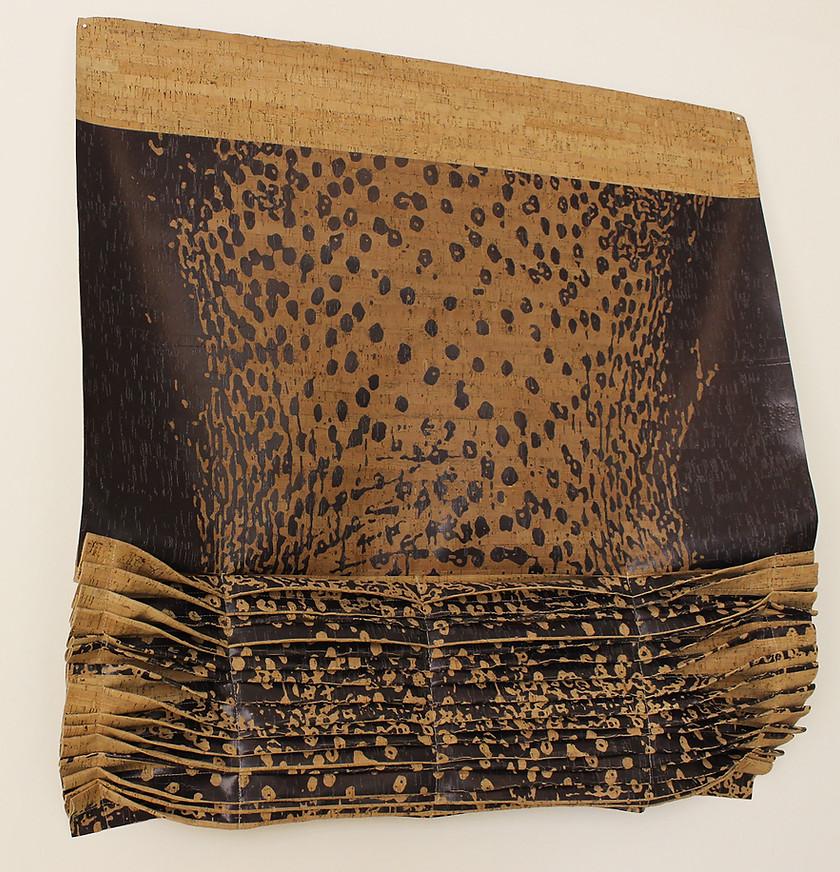
Elephant's Echoes reimagines cork as a sustainable alternative to elephant leather, inspired by the distinctive texture of Asian elephant skin while challenging their historical exploitation for luxury goods. This design concept honors elephants'cultural significance while offering a biodegradable, cruelty-free material that preserves their visual appeal without perpetuating harm.


Materials: Natural Cork Fabric
Techniques: Flatbed Printing, Pleating and Sewing


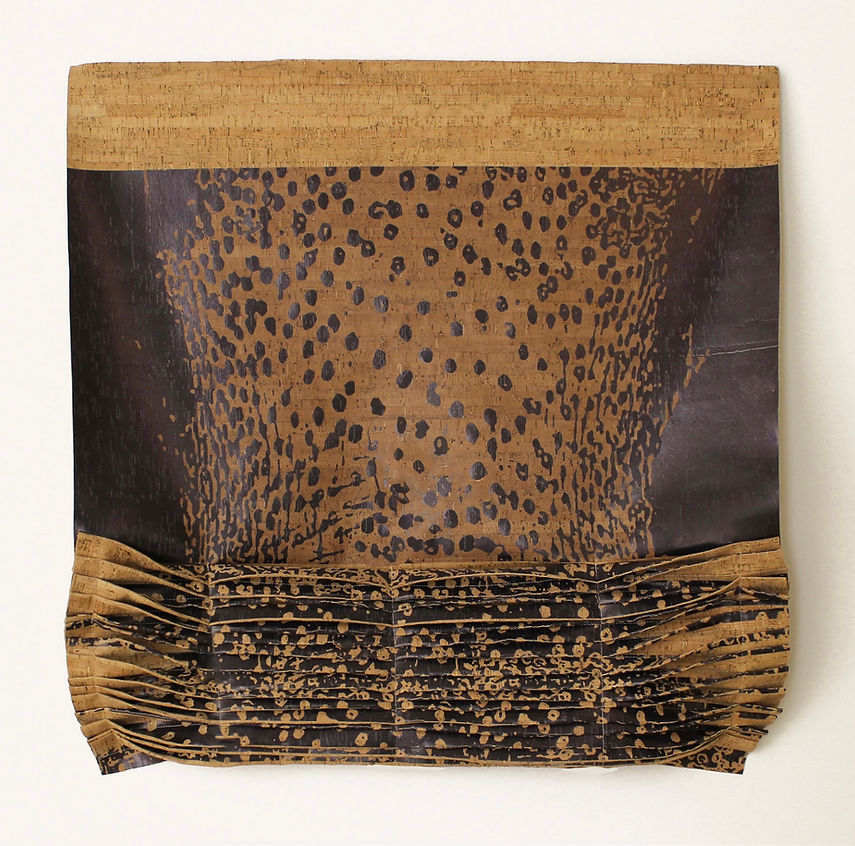
This piece is constructed from cork fabric that has been flatbed printed to mimic the aging, spotted surface of elephant skin. It is then pleated to represent the folds and creases on the elephant.
Materials: Natural Cork Fabric, 1” Recycled Quilting Batting Fabric Techniques: Flatbed Printing, Sewing
Elephant’s Echoes: Reimagining Cork is a design concept that explores the potential of cork as a sustainable alternative to leather, specifically inspired by the texture and cultural significance of Asian elephant skin. Beginning during studies in Thailand, this project draws from the complex relationship humans have maintained with elephants throughout history which is one of both reverence and exploitation. Despite being honored in Buddhism and royal contexts, elephants have been historically poached for their parts- particularly their skin, which was valued in the luxury textile industry. Skin poaching indiscriminately targets all elephants regardless of age or gender, making it especially
devastating to elephant populations. The design concept deliberately challenges this historical exploitation by utilizing cork: a biodegradable material that shares leather’s durability, texture, natural appearance, and insulating properties. Inspiration came from a visit to the Thailand Creative and Design Center (TCDC) in Bangkok, which houses a material database showcasing printed cork materials. These examples demonstrated the
possibilities of this plant-based material. By mimicking the distinctive texture of elephant skin through sustainable plant-based alternatives, this project honors the majesty of these
creatures while addressing the dark history of their exploitation for luxury goods such as handbags, shoes, and belts. This design work stands as both a tribute to these magnificent animals and a statement against their continued exploitation, offering the visual appeal of traditional elephant-derived materials without the ethical concerns. Through this innovative approach to sustainable design, the project aims to preserve the cultural appreciation for elephants while protecting their future through conscientious material choices.